HVAC surge protectors: are they worth it in 2026?
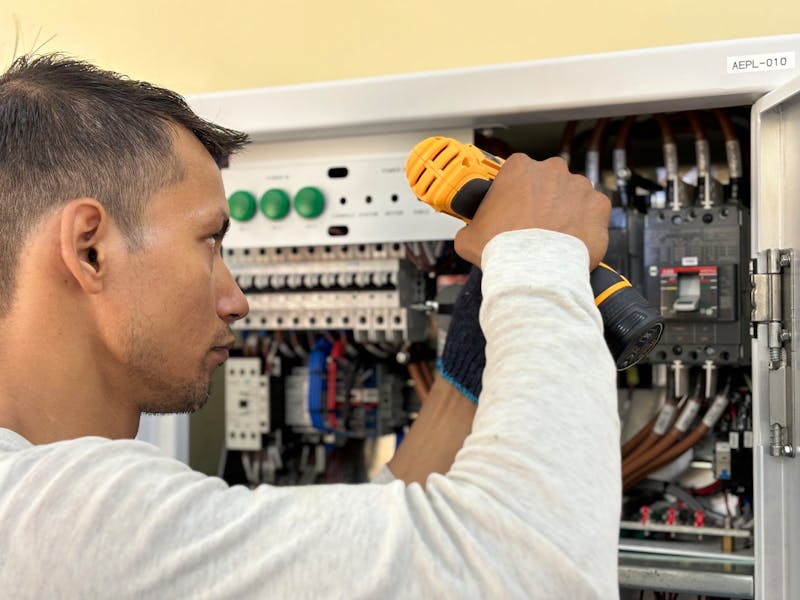
Your air conditioner or heat pump may be one of the most expensive electrical appliances in your home, but many systems are still protected by nothing more than a breaker and a disconnect box. That was less risky when HVAC equipment was mostly motors, relays, and capacitors. Modern systems now depend on inverter boards, communicating controls, ECM blower motors, and sensors.
That is why HVAC surge protectors have moved from a nice upgrade to a serious conversation for homeowners replacing an AC, adding a heat pump, or dealing with frequent storms and power interruptions.
Here is the practical answer: an HVAC surge protector is usually worth it for newer equipment, variable-speed systems, heat pumps, and homes in areas with lightning or unstable utility power. It will not make your system immune to every electrical event, but it can reduce the odds that a short voltage spike becomes a costly control board or compressor repair.
What an HVAC surge protector does
A surge protector, technically called a surge protective device or SPD, watches the voltage on an electrical circuit. When a fast voltage spike appears, the SPD diverts excess energy away from the equipment and toward the grounding system.
Surges can come from:
- Nearby lightning strikes
- Utility grid switching
- Power returning after an outage
- Generator or transfer switch events
- Large motors cycling on and off
The key word is fast. Surge protectors are designed for transient voltage spikes that happen in fractions of a second. They are not designed to fix a sustained overvoltage, a loose neutral, a brownout, or poor grounding.
For HVAC equipment, surge protection is usually installed at the main electrical panel, the outdoor condenser disconnect, or both.
Why surge protection matters more now
The National Weather Service estimates that the United States sees roughly 25 million cloud-to-ground lightning strikes each year. Even a strike that misses your house can induce damaging voltage on nearby electrical lines.
At the same time, residential HVAC equipment has become more electronic. A modern variable-speed heat pump may include:
- An inverter drive board
- A communicating outdoor control board
- ECM motors
- Electronic expansion valve controls
- Communication wiring and smart thermostat integration
Those parts improve comfort and efficiency, but they also make electrical protection more valuable. A failed board can cost hundreds of dollars, and some inverter or communicating repairs can climb much higher once labor and diagnostics are included.
There is also a code trend behind the shift. The 2020 National Electrical Code added a requirement for a Type 1 or Type 2 surge protective device on dwelling unit services. Local adoption varies, so this does not mean every existing home must add one today. It does mean electricians are increasingly installing SPDs during service upgrades, panel replacements, and new construction.
Whole-house surge protector vs. HVAC surge protector
A whole-house surge protector and a dedicated HVAC surge protector do related jobs, but they are not identical.
| Option | Where it goes | Best for | Limitation |
|---|---|---|---|
| Whole-house SPD | Main panel, meter base, or service equipment | Protecting the electrical system and multiple appliances | A spike can still travel down a branch circuit before it is fully clamped |
| Dedicated HVAC SPD | Outdoor AC or heat pump disconnect, sometimes near an air handler | Protecting expensive HVAC equipment at the point of use | Does not protect the rest of the house |
| Plug-in surge strip | Wall outlet | TVs, routers, computers, and small electronics | Not suitable for a hardwired condenser or furnace circuit |
For the strongest setup, think in layers: whole-house protection at the service and dedicated protection close to the outdoor condenser or heat pump.
Which HVAC systems need one most?
An HVAC surge protector is especially worth considering if you have:
- Variable-speed or inverter equipment. These systems depend on expensive electronics, so protection is a small add-on compared with the total system price.
- Heat pumps or ductless mini-splits. They run in both heating and cooling seasons and are typically more electronic than basic cooling-only systems.
- Communicating furnaces or air handlers. Proprietary controls can be harder and more expensive to replace than universal parts.
- Frequent storms or outages. If your lights flicker, your neighborhood loses power often, or summer thunderstorms are common, surge protection moves higher on the priority list.
- Generators, solar, or battery systems. Multiple power sources add complexity, so ask how protection should be coordinated across the panel, transfer switch, inverter, and HVAC equipment.
How much does an HVAC surge protector cost?
For most residential systems, hardware is not expensive. Labor, access, and timing drive the final price. Typical installed ranges:
- Dedicated HVAC surge protector: $150 to $400 installed
- Whole-house surge protector: $300 to $700 installed
- Panel replacement or service upgrade with SPD included: varies by project scope
Those numbers vary by labor rates, panel condition, permit rules, and equipment choice. A dedicated SPD added during a new AC or heat pump installation usually costs less than a separate trip for the same work.
Features to look for
Do not choose an HVAC surge protector by price alone. Ask your electrician or HVAC contractor to confirm:
- UL 1449 listing for surge protective devices
- Correct voltage for the equipment, commonly 120/240V split phase in U.S. homes
- Type 1 or Type 2 rating where required by the installation location
- Outdoor-rated enclosure, such as NEMA 3R, NEMA 4, or NEMA 4X for condenser locations
- Status indicator light so you can see whether protection is still active
- Short, straight lead length between the SPD and the equipment or panel
- Proper grounding and bonding, because the SPD depends on the grounding system to do its job
Large amp ratings can help compare devices, but they are not the only specification that matters. A correctly installed, properly rated SPD from a reputable manufacturer is more important than chasing the biggest label number.
Products worth comparing
Hardwired HVAC surge protectors should be selected and installed by a qualified pro. Still, it helps to know the names you may see on quotes.
For dedicated HVAC equipment protection, common models to compare include the Intermatic AG3000 HVAC Surge Protective Device, DITEK DTK-120/240CM+, and ICM Controls ICM517. For whole-house protection, electricians may recommend panel-compatible options from Siemens, Square D, Eaton, Leviton, or another brand that matches your service equipment.
Installation: what homeowners should know
This is not a plug-in DIY project. A dedicated HVAC surge protector is usually wired into the condenser disconnect or nearby electrical box. A whole-house SPD is installed at the service panel or adjacent service equipment.
During installation, the pro should confirm the equipment voltage, mount the SPD close to the panel or disconnect, keep wires short and straight, verify grounding and bonding, label the device, and show you the status indicator.
After installation, check the indicator light during seasonal maintenance. If the light shows failed protection or turns off when power is present, the SPD has likely sacrificed itself and should be replaced.
Limits and older systems
An HVAC surge protector is useful, but it is not a guarantee. It may not prevent damage from a direct lightning strike, a long-duration utility overvoltage, a lost neutral, flooding, corrosion, bad grounding, or low-voltage communication surges that need separate protection.
If your AC or furnace is near the end of its life, you may decide to wait and add surge protection with the replacement. If the system is still in good condition, a dedicated SPD can still be worthwhile, especially if you recently replaced a control board, added a smart thermostat, or have a heat pump that runs year-round.
Bottom line
For most homes with modern HVAC equipment, an HVAC surge protector is worth discussing before the next storm season or equipment replacement. It is especially smart for variable-speed systems, heat pumps, mini-splits, and homes with frequent outages.
Start with whole-house surge protection if you are upgrading the panel or service. Add a dedicated HVAC surge protector at the condenser for expensive outdoor equipment. Then keep up with annual HVAC maintenance, because electrical protection works best when the system is already installed, grounded, and serviced correctly.
Related Articles

ThermalTechPro Editorial Team
Independent trade-focused editorial team