Variable Speed HVAC: Is It Worth the Extra Cost?
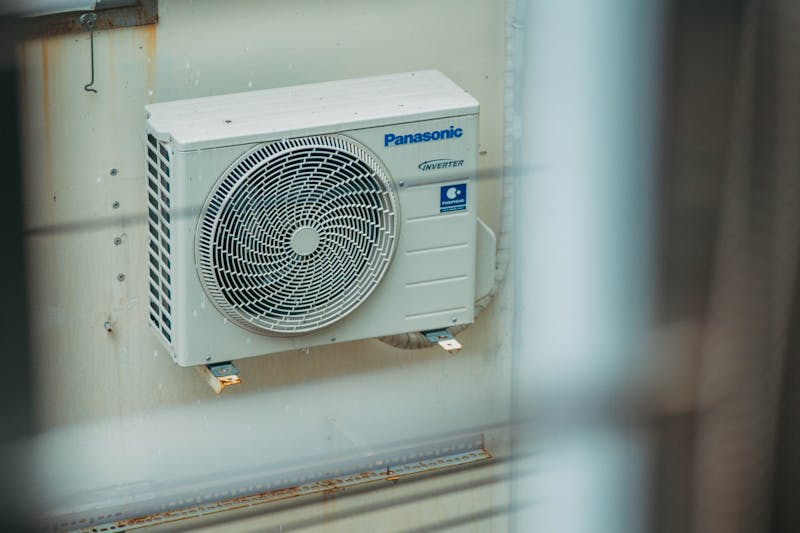
When you shop for a new air conditioner or heat pump, you will encounter three types of systems: single-stage, two-stage, and variable speed. The price difference between them can be $1,000 to $3,000 or more, so it matters to understand what you are actually getting before you commit.
This guide explains how variable speed systems work, what they cost, and when the upgrade is worth it.
What “Variable Speed” Actually Means
In HVAC, the term “variable speed” most often refers to the compressor — the component that pumps refrigerant through the system to move heat. It can also describe the air handler’s blower motor.
- Single-stage: The compressor runs at 100% capacity or off. No middle ground.
- Two-stage: The compressor operates at two fixed speeds, typically 65% and 100%. A step up from single-stage.
- Variable speed: The compressor modulates continuously anywhere from roughly 25% to 100% of capacity. Also called inverter-driven or variable-capacity.
A variable speed system adjusts its output to match the exact demand of the moment. On a mild day when your home needs only light cooling, it runs at 30% for hours at a time rather than cycling on at full blast and then shutting off.
Why Continuous Low-Speed Operation Matters
Most of the tangible benefits of variable speed systems come from that ability to run slowly and steadily rather than cycling on and off.
Better Humidity Control
This is arguably the biggest real-world advantage, especially in humid climates like the Southeast, Gulf Coast, or Pacific Northwest.
Air conditioning removes humidity as a byproduct of cooling — moisture condenses on the cold evaporator coil and drains away. To remove humidity effectively, the coil needs to stay cold long enough for that condensation to form.
A single-stage system hits full power, drops the temperature quickly, and shuts off before it has fully wrung out the moisture. A variable speed system running at low speed for long periods removes significantly more humidity per hour of operation. Homes with variable speed systems often feel comfortable at 75°F instead of 72°F because the humidity is lower, which also saves energy.
Quieter Operation
Single-stage systems start with a thump and run loudly. Variable speed systems ramp up gradually and spend most of their time at low speeds — producing far less noise both at the outdoor unit and at supply registers inside.
If you have a bedroom near the outdoor unit or a home office close to a return duct, the difference is noticeable.
More Even Temperatures
Because variable speed systems run longer cycles at lower output, they mix and circulate air more continuously. This eliminates the hot and cold spots that form when a system short-cycles between full blast and off. Homes with variable speed tend to have more consistent temperatures room to room.
Energy Efficiency
Variable speed systems carry the highest SEER2 ratings on the market — typically 18 SEER2 and above, with some reaching 25+ SEER2. By comparison, most single-stage systems land between 14 and 16 SEER2.
Part of that efficiency comes from the inverter drive itself: the motor consumes only the electricity it needs rather than running at peak draw every cycle. The other part comes from thermodynamics — heat exchange is more efficient at lower temperature differentials, which is exactly what a low-speed compressor produces.
Important caveat: Efficiency gains depend on your climate. In a hot, humid southern climate where the AC runs nine months a year, a high-SEER2 variable speed system can pay back the premium in energy savings within seven to ten years. In a mild northern climate with two months of summer, the payback period may be fifteen years or never.
What Variable Speed Systems Cost
Prices vary significantly by brand, tonnage, and contractor, but these are typical installed cost ranges for a 3-ton residential system:
| System Type | Installed Cost (3-ton) |
|---|---|
| Single-stage, 14–16 SEER2 | $4,500–$7,000 |
| Two-stage, 16–18 SEER2 | $6,000–$9,500 |
| Variable speed, 18–25 SEER2 | $8,000–$14,000 |
The premium for variable speed versus single-stage is roughly $2,500 to $5,000 depending on the brand and local market.
Which Brands Make Variable Speed Systems?
Most major HVAC manufacturers offer variable speed lines:
- Carrier — Infinity series (up to 26 SEER2)
- Trane — XV series (up to 22 SEER2)
- Lennox — Signature series (up to 28 SEER2)
- Bryant — Evolution series (up to 26 SEER2)
- Daikin — DX20VC and similar (up to 21 SEER2)
- Bosch — IDS and Genesis series (up to 22 SEER2)
Mid-tier brands like Goodman and Rheem offer variable speed options as well, generally at lower price points with shorter warranties.
When Variable Speed Is Worth It
Variable speed systems earn their premium in specific situations. You are a strong candidate if:
You live in a humid climate. Humidity control is the most consistent reason homeowners with variable speed say they would buy it again. If sticky indoor air is a problem in summer, variable speed addresses it at the source.
You run your system heavily. The longer and more frequently your system runs, the faster you recoup the efficiency premium through lower energy bills. Southern and coastal homeowners with five or more months of serious cooling load are the best candidates.
You have comfort complaints with your current system. Short-cycling, uneven temperatures, hot spots, or a system that runs the temperature past setpoint before shutting off — these are signs a variable speed system would address.
You value quiet operation. There is no workaround for a single-stage system’s noise other than replacing it with something that modulates. If noise bothers you, variable speed is the solution.
You pair it with a compatible smart thermostat. Variable speed systems communicate with proprietary thermostats (Carrier Infinity, Trane ComfortLink, Lennox iComfort) to optimize performance. Without the matching thermostat, you lose some of the benefits.
When Variable Speed Is Not Worth It
The premium is harder to justify in these situations:
You live in a mild, dry climate. In the Mountain West or northern states with short summers and low humidity, a well-sized 16 SEER2 two-stage system will perform nearly as well as a variable speed unit at $3,000 less.
The system is poorly sized or the ductwork is leaky. Variable speed compressors cannot fix an undersized duct system. If your existing ductwork has major issues, address those first — the variable speed premium will be wasted.
You are replacing an old system without other upgrades. If the air handler and ductwork are staying, make sure the new variable speed compressor is compatible and that airflow is balanced. A variable speed outdoor unit paired with mismatched indoor equipment cannot deliver on its promises.
You are on a tight budget. A properly sized, well-installed single-stage or two-stage system from a reputable brand will serve you reliably for 15 to 20 years. The comfort and efficiency gap is real but not dramatic. If the extra $3,000 causes financial strain, a good two-stage system is a reasonable choice.
Two-Stage as a Middle Ground
If variable speed is out of budget but single-stage feels like too little, a two-stage system is a practical compromise. Two-stage systems:
- Run at low speed (65%) roughly 80% of the time in moderate conditions
- Remove meaningfully more humidity than single-stage
- Are significantly quieter than single-stage when running at low speed
- Typically cost $1,000 to $2,000 less than comparable variable speed models
For most homeowners in moderate climates, a 16–18 SEER2 two-stage system represents the best value. Variable speed makes sense at the top end of the market where comfort and maximum efficiency are the priorities.
Questions to Ask Your Contractor
Before accepting a proposal, ask these questions:
- What SEER2 rating is quoted? Get the number, not just “high efficiency.”
- Is this a true variable speed compressor or a variable speed blower only? Some contractors describe a single-stage condensing unit with a variable speed air handler as “variable speed.” These are not the same thing.
- What thermostat is included? Premium variable speed systems should come with a compatible communicating thermostat.
- Is a Manual J load calculation included? Proper sizing matters regardless of which tier you choose.
- What is the compressor warranty? Many variable speed systems offer 10-year compressor warranties with registration.
The Bottom Line
Variable speed HVAC systems are not a gimmick — the humidity control, quiet operation, and efficiency advantages are real and significant. But they carry a real cost premium, and that premium is most justified in hot, humid climates where systems run hard for many months.
If you live in the Southeast, Texas, Florida, or anywhere humidity is a persistent summer complaint, a variable speed system is worth serious consideration. If you live in a dry or mild climate and your main goal is reliable cooling at a reasonable price, a well-sized two-stage system from a reputable brand is likely the smarter purchase.
Either way, the installer matters as much as the equipment. A variable speed system installed by a contractor who skips proper sizing and airflow balancing will underperform a well-installed mid-tier unit every time.

ThermalTechPro Editorial Team
Independent trade-focused editorial team