Mini Split Installation Cost: What to Expect in 2026
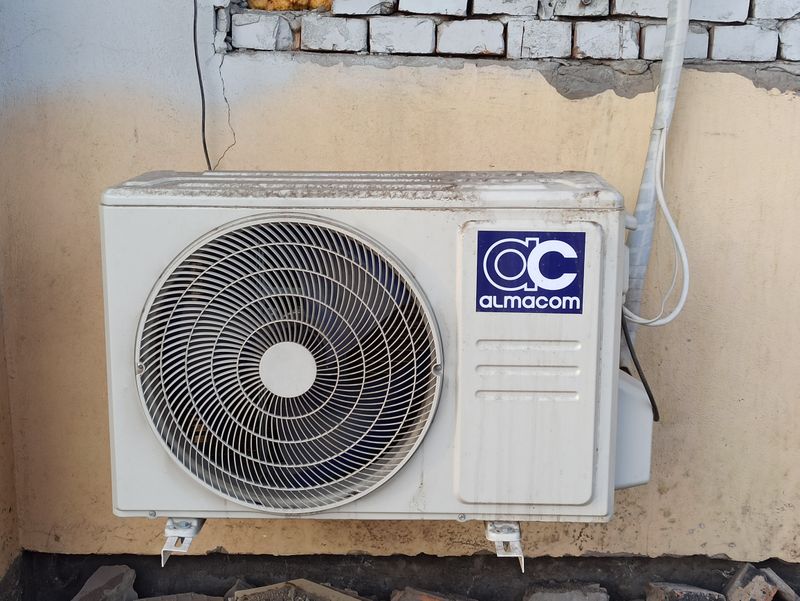
Installing a ductless mini split is one of the most popular HVAC upgrades homeowners make — and for good reason. Mini splits deliver efficient heating and cooling without ductwork, work well for additions, garages, and hard-to-condition spaces, and can dramatically cut energy bills compared to window units or electric baseboard heat.
But costs vary widely. A basic single-zone installation might run $1,500. A whole-home multi-zone setup can exceed $15,000. Understanding what drives those numbers helps you budget accurately, compare quotes, and avoid paying too much.
Average Mini Split Installation Costs
Here’s what most homeowners pay in 2026:
| System Type | Equipment Cost | Labor Cost | Total Range |
|---|---|---|---|
| Single-zone (9,000–12,000 BTU) | $700–$1,500 | $500–$1,500 | $1,200–$3,000 |
| Single-zone (18,000–24,000 BTU) | $1,000–$2,200 | $600–$1,800 | $1,600–$4,000 |
| 2-zone multi-zone | $1,500–$3,500 | $1,200–$2,500 | $2,700–$6,000 |
| 3-zone multi-zone | $2,200–$5,000 | $1,800–$3,500 | $4,000–$8,500 |
| 4-zone or larger | $3,500–$8,000 | $2,500–$5,000 | $6,000–$13,000+ |
These figures cover a typical installation in a residential setting. Commercial or complex installations — unusual mounting locations, long line set runs, rooftop condensers — can push costs higher.
What Drives Mini Split Costs
1. Equipment Brand and Efficiency
Mini split prices vary significantly by manufacturer and SEER2 rating (the efficiency metric used since 2023):
- Budget brands (Midea, Pioneer, Senville): $400–$900 per zone
- Mid-range brands (Daikin, Mitsubishi, LG, Fujitsu): $900–$2,000 per zone
- Premium brands (Mitsubishi Hyper-Heat, Daikin Aurora): $1,500–$3,500 per zone
Higher SEER2 ratings mean lower operating costs. A 20+ SEER2 unit costs more upfront but can cut cooling costs by 30–40% compared to a 15 SEER2 unit. For a climate with long cooling seasons, the premium often pays back within 5–8 years.
2. System Capacity (BTU Size)
Bigger spaces require more BTUs, which means larger (and more expensive) equipment. HVAC contractors use a Manual J calculation to size systems properly:
- 6,000–9,000 BTU: Small rooms up to ~350 sq ft
- 12,000 BTU (1 ton): Rooms ~450–550 sq ft
- 18,000 BTU (1.5 ton): Rooms ~600–750 sq ft
- 24,000 BTU (2 ton): Spaces up to ~1,000 sq ft
Oversizing wastes money and causes short-cycling — the system turns on and off too frequently, reducing comfort and efficiency. Always insist on a proper load calculation.
3. Number of Zones
Multi-zone systems connect multiple indoor air handlers to a single outdoor condenser. Each zone adds:
- One indoor air handler ($400–$1,200)
- Additional refrigerant line set (~$150–$400 per run)
- Additional electrical wiring ($100–$300 per zone)
- More labor time
The per-zone cost typically drops as you add zones, since labor for the outdoor unit and electrical panel work is a fixed cost spread across more units.
4. Labor and Installation Complexity
Labor is often the biggest variable in a quote. Factors that increase labor costs:
- Long line set runs: Standard installation assumes 15–25 feet of line set. Beyond that, add $5–$15 per foot for materials and labor.
- Difficult mounting locations: High ceilings, masonry walls, or attic air handlers require more work.
- Electrical panel upgrades: Mini splits require a dedicated 240V circuit. If your panel lacks capacity, you may need a subpanel or upgrade ($500–$2,000).
- Building permits and inspections: Required in most jurisdictions; typically $50–$300 but sometimes more in expensive metro areas.
- Refrigerant line set routing: Running lines through finished walls, crawlspaces, or attic spaces adds time.
Labor rates vary significantly by region. Expect to pay $75–$150/hour for HVAC technicians, with total labor ranging from $500–$1,500 for a straightforward single-zone and $2,000–$5,000+ for a complex multi-zone installation.
5. Indoor Air Handler Type
Standard wall-mounted units are the least expensive. But there are other mounting options, each at different price points:
| Handler Type | Best For | Cost Premium |
|---|---|---|
| Wall-mounted (high-wall) | Living rooms, bedrooms | Baseline |
| Floor-mounted | Rooms with limited wall space | +$100–$300 |
| Ceiling cassette | Commercial spaces, open ceilings | +$300–$600 |
| Concealed ducted | Rooms where wall units aren’t acceptable | +$500–$1,500 |
Concealed ducted air handlers work with short duct runs in walls or ceilings, allowing a mini split to serve a room without a visible wall unit — ideal for high-end applications.
Permits and Code Requirements
Most states and local jurisdictions require permits for mini split installations. The permit covers:
- Electrical work (dedicated 240V circuit)
- Refrigerant handling by an EPA 608-certified technician
- Structural penetrations through walls or roofs
Pulling permits protects you — it ensures inspections catch substandard work before walls close up. Contractors who offer to skip permits are a red flag. Budget $75–$300 for permit fees and factor in one or two inspection visits in the project timeline.
How to Get Accurate Quotes
Getting reliable quotes requires some preparation on your side:
- Know your square footage. Measure the rooms or zones you want to condition.
- Note insulation quality. Older homes with poor insulation need larger capacity.
- Map out the line set route. Walk with the contractor from the proposed outdoor unit location to each indoor unit, noting obstacles.
- Ask about brand preferences. Request pricing for both a budget and a mid-range brand so you can compare.
- Request itemized estimates. Equipment cost, labor, permit, and line set materials should be listed separately.
- Compare at least three written estimates. Mini split pricing varies substantially between contractors.
Red flags in quotes: extremely low prices (often means unlicensed work or poor-quality equipment), no mention of permits, vague line items like “installation” with no breakdown, or high-pressure sales tactics.
Tax Credits and Rebates in 2026
Mini splits may qualify for significant incentives:
- Federal Energy Efficient Home Improvement Credit (25C): Up to 30% of equipment and installation cost, capped at $2,000 per year, for systems meeting ENERGY STAR requirements.
- IRA Inflation Reduction Act rebates: Income-qualified homeowners may receive $1,750–$8,000 in rebates through the High-Efficiency Electric Home Rebate Act (HEEHRA), which began rolling out through state programs in 2024–2025.
- Utility rebates: Many electric utilities offer $100–$500 rebates for high-efficiency mini splits.
- State-level incentives: Several states have their own efficiency programs on top of federal credits.
These incentives can dramatically reduce your net cost. A $5,000 installation with a $2,000 federal tax credit and $300 utility rebate nets out to $2,700 — a very different calculation.
DIY vs. Professional Installation
Some homeowners consider installing mini splits themselves, particularly with “DIY mini split” kits that come pre-charged with refrigerant (no EPA certification required to install). Here’s the honest breakdown:
DIY kits can work for:
- Simple single-zone installations in accessible locations
- Homeowners with basic electrical skills who can safely run a dedicated circuit
- Applications where code enforcement is minimal (cabins, workshops)
DIY kits are risky when:
- You’re not comfortable with electrical panel work
- Your jurisdiction requires permits and inspections
- Multi-zone systems need refrigerant balancing
- Warranty claims arise (some manufacturers void warranty on self-installed equipment)
A mid-tier DIY kit from Mitsubishi or MrCool runs $800–$1,500 per zone and saves $500–$1,500 in labor. But factor in your time, tool rentals (especially if running a new electrical circuit), and the risk of a costly mistake.
Total Cost Examples
Example 1: Garage conversion, single zone
- 24,000 BTU wall-mounted unit (Daikin): $1,200
- 20 feet of line set: $200
- Dedicated 240V circuit: $400
- Labor (6 hours): $750
- Permit: $150
- Total: ~$2,700
Example 2: Whole-home coverage, 3 zones
- Mitsubishi 3-zone outdoor unit + 3 indoor handlers: $4,200
- Three line set runs (avg. 30 feet each): $900
- Electrical (three circuits, possible panel upgrade): $1,200
- Labor: $2,500
- Permits and inspections: $300
- Total: ~$9,100
Example 3: Master bedroom addition, basic brand
- 12,000 BTU Pioneer unit: $650
- 25 feet of line set: $175
- 240V circuit from existing panel: $350
- Labor (5 hours): $600
- Permit: $100
- Total: ~$1,875
2026 decision refresh
Quick decision: the cheapest mini split bid is rarely the safest comparison. For 2026 installs, compare the delivered capacity at your winter and summer design temperatures, the number of zones, the electrical scope, condensate handling, permits, and warranty registration.
| Project type | Budget focus | Professional boundary |
|---|---|---|
| Single room or garage | Dedicated circuit, wall penetration, and drain route | Refrigerant work and electrical work should be permitted where required |
| Multi-zone retrofit | Load calculation for each zone and total connected capacity | Avoid connecting heads just because ports are available |
| Whole-home ductless plan | Room layout, door closure, and backup heat strategy | Ask for a written commissioning checklist |
| DIY pre-charged kit | Warranty, code acceptance, and electrical risk | Do not open refrigerant circuits without proper certification |
Source note: DOE heat pump guidance and ENERGY STAR heating and cooling resources are useful for efficiency comparisons, but they do not replace a room-by-room load calculation or local code review. Any claim that one head can condition an entire floor should be checked against room layout and airflow reality.
Related tool and guides
- HVAC maintenance log and symptom worksheet - record comfort problems by room before deciding where heads belong.
- Ductless mini split pros and cons - compare comfort, aesthetics, and maintenance tradeoffs.
- Central AC vs ductless mini split - useful when ducts already exist.
- Smart thermostats complete guide - understand control limitations before assuming a standard thermostat will manage every zone.
The Bottom Line
A single-zone mini split installation for one room or zone typically costs $1,500–$4,000 installed by a licensed contractor. Multi-zone systems covering a whole home run $6,000–$13,000 or more. The wide range reflects real variability in brand, capacity, complexity, and regional labor markets.
The smartest approach: get three itemized quotes, ask each contractor to specify the equipment model so you can compare apples-to-apples, and check for available tax credits and rebates before committing. A well-chosen mini split can pay for itself in energy savings within 5–10 years — but only if it’s sized correctly and installed properly.
Plan ductless bids with a complete scope
These resources help compare mini split zones, replacement alternatives, and contractor assumptions before signing.
- HVAC replacement quote worksheet
Use the worksheet to compare zones, line-set routes, electrical work, rebates, and warranty terms.
- Choosing the right HVAC system
Compare ductless systems with central HVAC, heat pumps, and other replacement choices.
- HVAC tax credits and rebates
Check incentive paperwork and efficiency-rating requirements before choosing equipment.
- Signs it is time to replace your furnace
Use replacement signals to decide whether ductless work is part of a larger plan.

ThermalTechPro Editorial Team
Independent trade-focused editorial team