HVAC Tax Credits and Rebates in 2026: What Homeowners Need to Know
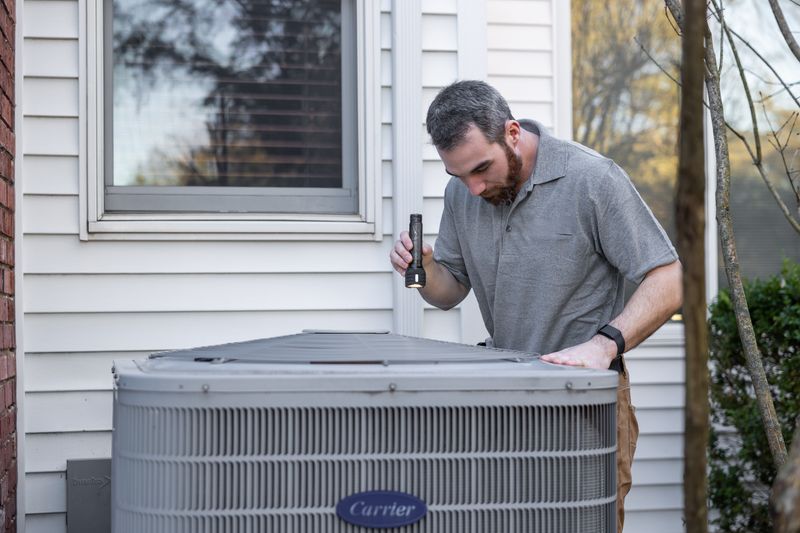
If you were counting on a federal tax credit to offset the cost of a new heat pump or high-efficiency air conditioner in 2026, there’s an important change you need to know about. Current IRS and ENERGY STAR guidance lists the federal Section 25C energy efficiency tax credit — which covered up to $2,000 for heat pumps and $600 for central air conditioning — as claimable for qualifying improvements made through December 31, 2025.
The good news: there are still meaningful savings available through state-administered rebate programs, utility company incentives, and manufacturer promotions. The catch is that they vary significantly by where you live and, in some cases, your household income.
Here’s what homeowners need to know about HVAC incentives in 2026.
What Expired at the End of 2025
The Inflation Reduction Act (IRA), passed in 2022, originally extended the Section 25C residential energy efficiency tax credit through 2032. That credit offered:
- Up to $2,000 for qualifying heat pumps and heat pump water heaters (30% of cost)
- Up to $600 for central air conditioners, furnaces, and boilers (30% of cost)
- Up to $1,200 combined limit for most non-heat-pump equipment per tax year
For 2026 planning, the practical cutoff is the placed-in-service date: qualifying equipment installed by December 31, 2025 may still be part of a 2025 tax filing, while 2026 installations should be checked against current IRS guidance before assuming any federal credit.
If you installed qualifying equipment in 2025, you can still claim the credit on your 2025 federal tax return using IRS Form 5695. The window to file (or extend) is still open. For equipment installed in 2026 or later, the federal Section 25C credit is no longer available.
The Section 25D credit for residential solar and geothermal systems has also been affected — verify current IRS guidance if you’re pursuing those technologies.
What’s Still Available in 2026
State IRA Rebate Programs (HOMES and HEAR)
The Inflation Reduction Act set aside approximately $8.8 billion for two state-administered rebate programs. These programs are distinct from the expired tax credits and are still being distributed:
HOMES (Home Efficiency Rebates)
The HOMES program funds rebates for whole-house energy retrofit projects. To qualify, your project must produce measurable energy savings verified by a certified home energy assessor.
- Standard-income households: up to $4,000 for 20–34% energy savings, $4,000 for 35%+ savings
- Low- and moderate-income households (at or below 80% of Area Median Income): up to $8,000
- Requires a professional home energy assessment and post-project verification
HOMES rebates are not limited to HVAC — they apply to the whole project, which could include insulation, windows, and air sealing in addition to a new heat pump.
HEAR (Home Electrification and Appliance Rebates)
The HEAR program — sometimes called HEEHRA at the state level — provides point-of-sale rebates for specific appliances and equipment. Unlike HOMES, HEAR is restricted to households earning up to 150% of the Area Median Income (AMI).
For HVAC specifically:
| Household Income | Heat Pump HVAC Rebate |
|---|---|
| ≤80% of local AMI | Up to $8,000 |
| 80%–150% of local AMI | Up to $4,000 |
| Above 150% of local AMI | Not eligible |
Additional HEAR rebates available alongside HVAC upgrades:
- Heat pump water heater: up to $1,750
- Electric wiring/panel upgrades to support new equipment: up to $4,000
- Insulation and air sealing: up to $1,600
Important: HOMES and HEAR rebates generally cannot be combined on the same individual project, and total rebates cannot exceed the actual project cost.
Program Availability Varies by State
Not every state has launched its HOMES or HEAR program yet. States received federal funds at different times and have rolled out programs on their own schedules. California’s HEEHRA program, for example, reached full reservation in early 2026 and is now waitlisting applicants.
To find out what’s available in your state:
- Visit the Database of State Incentives for Renewables & Efficiency (DSIRE) at dsireusa.org
- Check your state energy office website
- Ask any HVAC contractor you’re considering — contractors in active program states are typically familiar with current rebate availability
Utility Company Rebates
Utility rebates are independent of federal programs and remain widely available in 2026. Most major electric and gas utilities offer cash-back incentives for customers upgrading to high-efficiency equipment.
Typical utility rebate amounts:
- Central air conditioner (qualifying SEER2 rating): $100–$800
- Heat pump (air-source): $200–$1,500
- Heat pump water heater: $200–$800
- Smart thermostat: $50–$150
Requirements vary by utility. Common conditions include:
- Equipment must meet a minimum SEER2, HSPF2, or EF rating
- Equipment may need to be ENERGY STAR certified
- Installation must be done by a licensed contractor
- Rebate must be applied for within 90 days of installation (varies)
To find utility rebates, search your utility’s website for “rebates” or use ENERGY STAR’s Rebate Finder tool (energystar.gov). Enter your zip code to see programs from your electric and gas providers.
Manufacturer Rebates and Promotions
Equipment manufacturers run seasonal rebate programs throughout the year, often targeting spring and fall installation windows. Carrier, Trane, Lennox, Mitsubishi, and other major brands typically offer:
- $200–$800 rebates on qualifying systems
- Bundled rebates when pairing a heat pump with a compatible air handler or coil
- Extended warranty promotions tied to rebate claims
Ask your HVAC contractor what manufacturer promotions are currently running. Contractors who are authorized dealers for specific brands often have access to rebate programs that aren’t widely advertised.
How to Stack Incentives
Even without the federal 25C credit, meaningful stacking is possible in many markets:
| Incentive Source | Potential Savings |
|---|---|
| State HEAR rebate (if income-eligible) | Up to $8,000 |
| State HOMES rebate | Up to $4,000–$8,000 |
| Utility company rebate | $200–$1,500 |
| Manufacturer rebate | $200–$800 |
| Combined potential | Up to $18,300 |
Not all of these will apply to every household or project. The key is to check each source independently before signing a contract, because some rebates require pre-approval or registration before installation begins.
Equipment That Gets the Best Rebates
State and utility programs consistently offer the largest rebates for heat pumps over conventional AC or furnace upgrades. This reflects policy goals around electrification and decarbonization.
Air-source heat pumps are eligible for most HEAR, utility, and manufacturer rebates. Cold-climate heat pumps (rated for operation down to -13°F) often qualify for additional incentives due to their ability to replace gas furnaces in colder regions.
Ductless mini-split heat pumps are also widely eligible and are often easier to qualify because installation doesn’t require ductwork modifications.
High-efficiency furnaces and central AC units may still qualify for utility rebates, but the amounts are generally lower than heat pump programs and HEAR income-based rebates don’t apply.
Heat pump water heaters are a separate category but worth mentioning — the HEAR program covers up to $1,750 for qualifying models, and utility rebates for heat pump water heaters are common. If you’re replacing both your HVAC and water heater, the combined savings can be substantial.
Timing Your Purchase
If you’re planning a major HVAC upgrade in 2026, a few timing considerations:
Check state program availability before committing. Some state HEAR programs run out of funding and go to waitlists. If your state’s program is active, act before funds are exhausted.
Get rebate pre-approval when required. Some state programs require you to register before installation — not after. Skipping this step can make you ineligible even if you bought qualifying equipment.
Request itemized estimates that show rebate-eligible equipment. Ask contractors to specify the equipment model numbers, efficiency ratings, and which incentive programs the equipment qualifies for. This documentation will be needed for rebate applications.
Consider the fall installation window. HVAC contractors are typically less busy in September and October, which can translate to faster scheduling, more negotiating room on labor costs, and time to research rebates before the end of the calendar year.
2026 decision refresh
Quick decision: for equipment installed in 2026, treat federal HVAC tax credits as unavailable unless current IRS guidance says otherwise for your specific placed-in-service date. Put your time into state Home Energy Rebates, utility incentives, manufacturer promotions, and pre-approval paperwork before work begins.
| Incentive path | Best first action | Watch for |
|---|---|---|
| 2025 installation claimed in 2026 | Review IRS Form 5695 rules for the 2025 tax year | Placed-in-service date and required manufacturer documentation |
| 2026 heat pump or mini split | Check your state energy office and utility portal | Income limits, pre-approval, model eligibility, and funding queues |
| Whole-home efficiency project | Ask whether HOMES applies before signing | Energy assessment, measured savings, and project bundling rules |
| Electrification project | Check HEAR or HEEHR status in your state | Area median income limits and point-of-sale availability |
Source note: Current IRS and ENERGY STAR pages describe the Energy Efficient Home Improvement Credit as claimable for qualifying improvements made through December 31, 2025. DOE’s Home Energy Rebates program remains state-, territory-, and tribe-administered, so 2026 availability depends on where the home is located.
Related tool and guides
- HVAC maintenance log and symptom worksheet - document system age, symptoms, and service history before applying for rebates.
- Energy-efficient HVAC upgrades - compare improvements that may pair with rebate programs.
- Cold-climate heat pumps explained - useful when rebate programs favor heat pump adoption.
- Mini split installation cost guide - estimate ductless project costs before incentives.
Sources to verify before purchase
- IRS: Energy Efficient Home Improvement Credit
- ENERGY STAR: Federal tax credits for energy efficiency
- DOE: Home Energy Rebates Program
The Bottom Line
The expiration of the federal 25C credit in 2025 is a real loss for homeowners, particularly those in states with limited rebate programs. But the IRA’s state-administered programs — HOMES and HEAR — are providing substantial savings for income-eligible households, and utility rebates remain available to almost everyone.
If you’re replacing your HVAC system in 2026, spend 30 minutes checking your state program status and your utility’s current rebate offerings before you sign a contract. In many markets, that research can save $1,000–$5,000 on a system you’d be buying anyway.
Document replacement incentives and bid details
Use these related resources to keep efficiency ratings, quote details, and installation scope aligned.
- HVAC replacement quote worksheet
Track model numbers, efficiency ratings, rebate paperwork, and exclusions in one place.
- Choosing the right HVAC system
Compare system types before using incentives as the deciding factor.
- Mini split installation costs
Review ductless cost variables when a heat pump or zoned system is being quoted.
- HVAC maintenance log
Record service history and symptoms that may support replacement timing.

ThermalTechPro Editorial Team
Independent trade-focused editorial team